
Blog
What That Noise From Your Garage Door Actually Means
Euless homes built mostly in the 1980s-90s and the region's severe summer heat produce specific garage door noises. Here's what each one means and when to worry.
What to Check
Start with where the noise happens in the door's travel. A grinding or popping sound near the top of the opening, right as the door closes, usually points to a bent track or a roller that's worn its bearing out. A sharp bang mid-cycle is almost always a torsion spring losing tension or a cable starting to fray off the drum. A steady rattle the whole way up and down is loose hardware - bolts on the track brackets, the strut, or the opener rail itself.
Housing in this area went up mostly between 1953 and 2014, with the bulk of stock from the 1980s and 90s, so a lot of the doors and openers still running are original or close to it. That means steel rollers instead of nylon, and hardware that's had three decades of expansion and contraction to work itself loose. If your door is from that era and you haven't had the track bolts checked, that's the first thing worth doing before you touch anything else.
We don't troubleshoot noise over the phone with any confidence - too many of these sounds overlap. A grinding roller and a dry hinge can sound nearly identical through a closed door. What we can tell you without seeing it: if the noise changed suddenly rather than gradually, treat it as a spring or cable issue and stop using the opener until someone looks at it.
How Local Conditions Play In
This area sits in a severe heat climate band, and that matters more for garage door noise than most people expect. Steel expands in summer heat and contracts at night, and a track that's slightly out of alignment will tell you about it every single cycle - a metallic scrape that gets louder as the day heats up and the metal shifts. Grease and lubricant also behave differently here than they would somewhere milder: standard white lithium grease thins out and runs off hardware faster in sustained heat, leaving dry metal-on-metal contact that squeals.
If your door got quiet over the winter and started complaining again as temperatures climbed, that's consistent with a lubrication problem rather than a mechanical one. If it's been noisy year-round regardless of temperature, the cause is more likely a worn part than the heat. That distinction is worth making before you call anyone, because it changes whether you need five minutes with a grease gun or a technician.
The Situation
Across the service area there are roughly 65,647 owner-occupied houses out of about 114,987 households total, and a lot of those owners are dealing with garage doors that are well into their second decade of hardware, even if the house itself has had other updates. A median household income here of $143,304 means most people replacing a door or opener aren't doing it on a shoestring, but that doesn't mean every noise calls for replacement - plenty of what people hear is a $15 roller or a bolt that needs a quarter-turn with a wrench.
The honest situation is that noise alone rarely tells you whether you're looking at a cheap fix or a bigger one. A squeal is almost never urgent. A bang, a sudden looseness in the cable, or a door that sounds different and also moves differently - jerking, hanging up, dropping faster on one side - means stop and get it looked at before the next cycle.
Where People Go Wrong
The most common mistake is spraying WD-40 on everything and calling it lubrication. It's a solvent, not a grease - it'll quiet a hinge for a day and then dry out faster than before, especially in a severe heat climate where anything thin burns off quick. The other mistake is assuming a quiet fix means a safe one. Tightening a bracket bolt on a bent track doesn't straighten the track; it just changes which part fails next.
We'll say plainly what we don't do: we don't recommend DIY spring replacement, on any door, regardless of the noise it's making. Torsion springs are under enough tension to cause real injury, and the tools for it aren't something most garages have lying around. If the sound you're hearing is a bang or pop followed by the door feeling heavier to lift by hand, that's a spring, and it's not a weekend project.
Questions
Common questions
My garage door squeals every afternoon in summer but is fine in the morning. Is that normal?
That pattern fits a lubrication issue more than a mechanical one - heat thins grease on rollers and hinges over the course of the day. Given how severe summer heat runs in this area, it's worth using a silicone-based garage door lubricant rather than a thin spray product, since it holds up better as temperatures climb.
My house was built in the late 1980s and the door has always been loud. Is that just age?
A lot of houses in this area date from that stretch, and original hardware from that period often used steel rollers, which run louder than the nylon rollers common today. Age alone isn't a safety issue, but if the noise has gotten noticeably worse recently, something has changed mechanically and it's worth a look.
Is a loud bang from the garage always the spring?
Not always, but it's the first thing to rule out. A sudden bang followed by the door feeling heavier to open by hand is a strong sign of a broken torsion spring. If the door still opens and closes with no change in effort, it may be a bracket or fastener shifting instead.
Can I just tighten the loose parts myself?
Tightening visible bolts on track brackets is reasonable homeowner maintenance. What you shouldn't touch is anything holding tension - the torsion spring and its mounting hardware. If loosening is widespread rather than one or two bolts, it's worth having someone check whether the track itself has shifted.
Recommendation
You Might Also Like
More garage door guides for Euless homeowners.
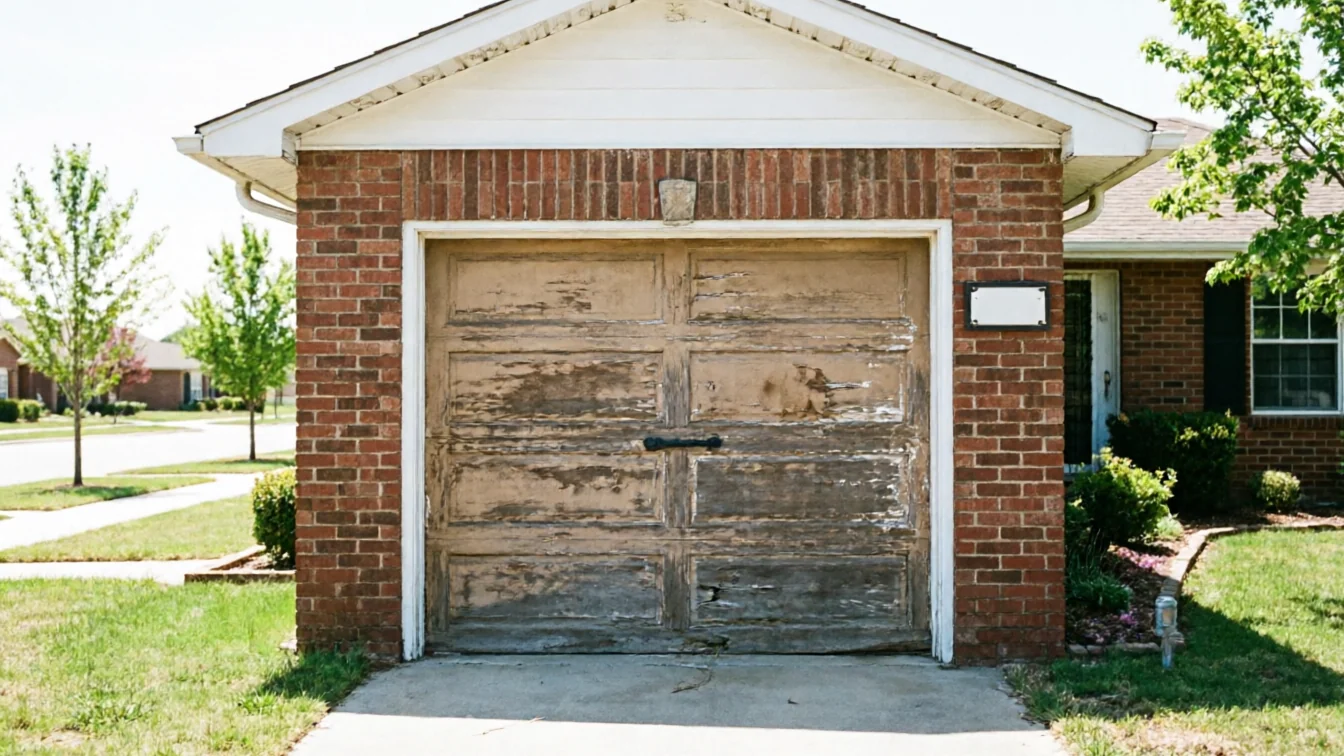
Why Pre-Insulation Doors Are Still Common in Euless
Euless homes built mostly between 1953 and 1995 often still carry uninsulated garage doors.
Read guide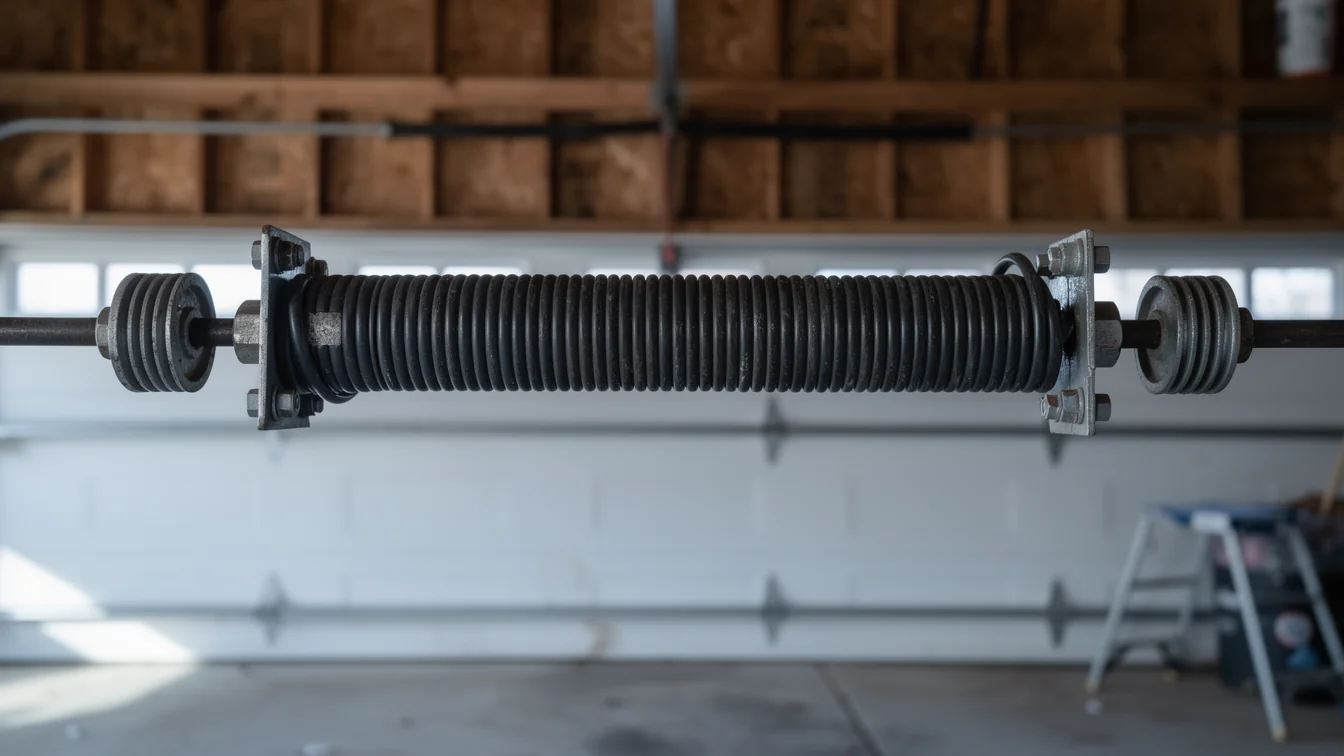
When the Power Goes Out, Your Opener Doesn't Know the Difference Between a Breaker Trip and a Grid Failure
Euless homes built 1953-2014 see opener strain when summer heat pushes the grid past its limit.
Read guide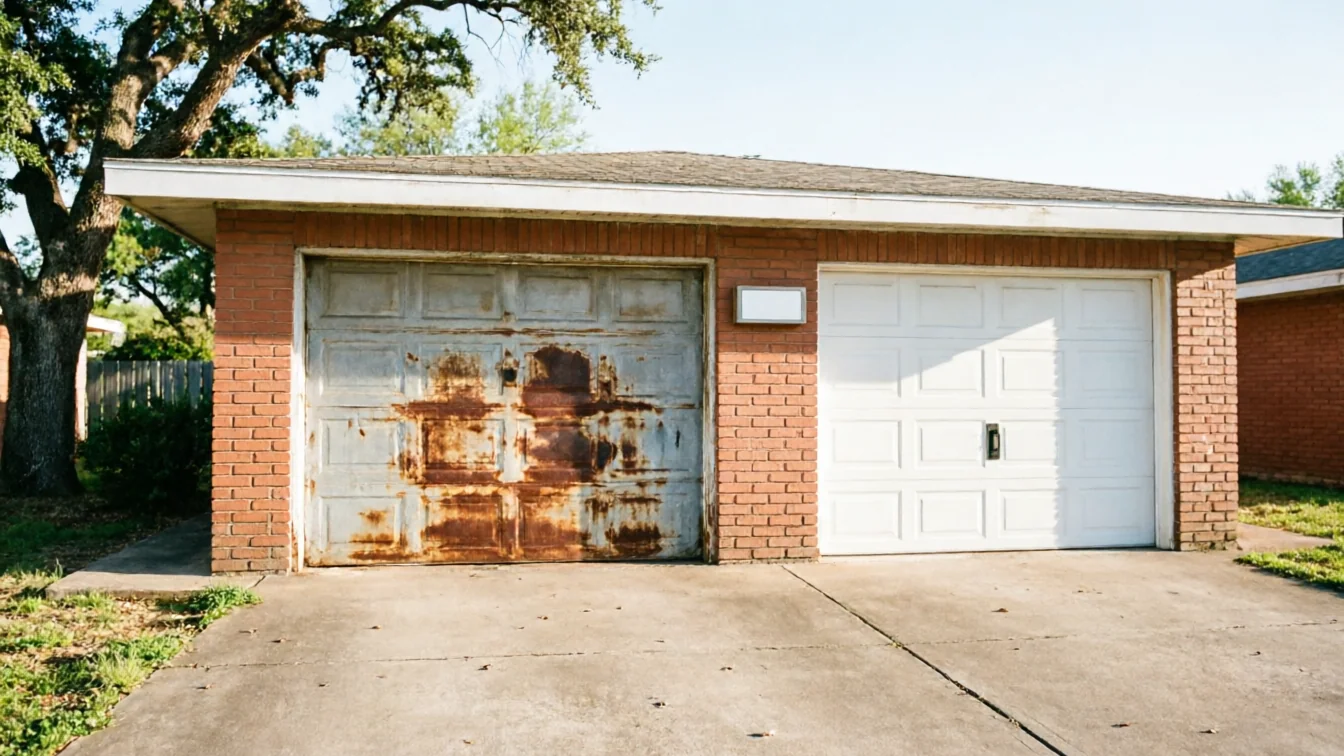
Weather Seals and Draughts: What Euless Homeowners Should Know
A look at how Euless, TX homes built 1953-2014 lose cool air through bad seals, and why severe summer heat makes the fix worth doing right.
Read guideReady when you are
Need a garage door sorted in Euless?
Euless Garage Door Pros repairs and installs garage doors, springs and openers in Euless, TX and the surrounding area.