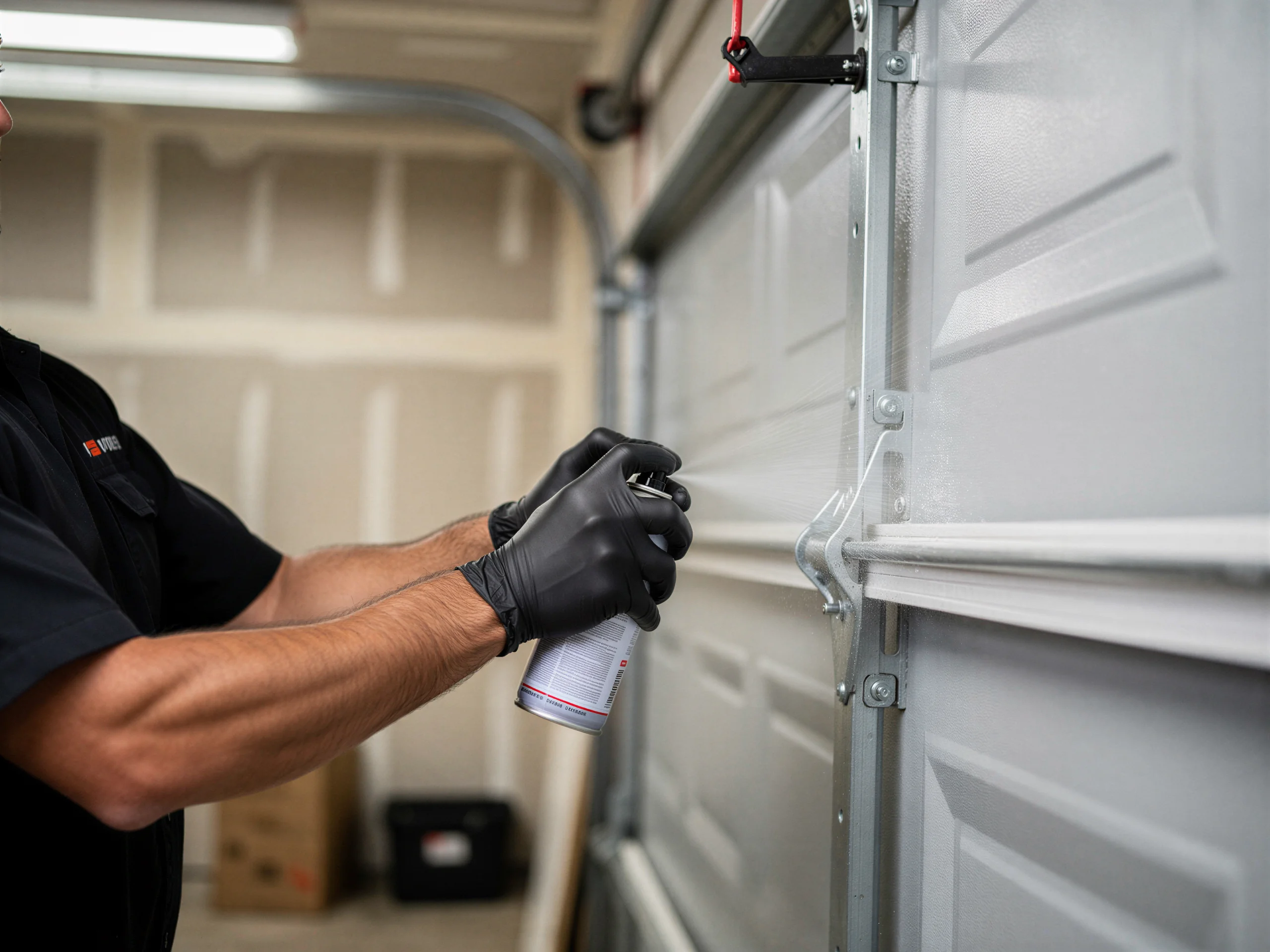
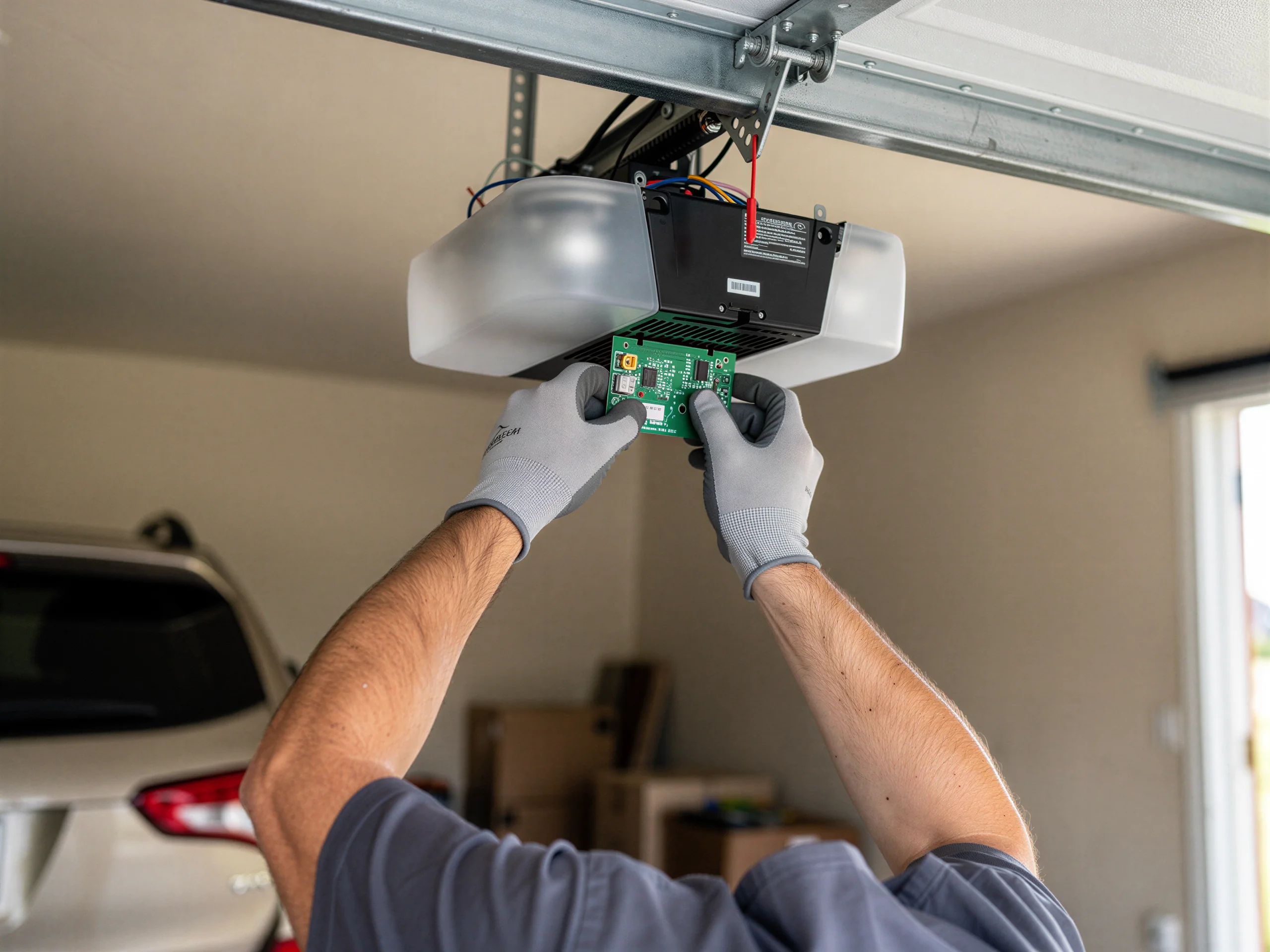
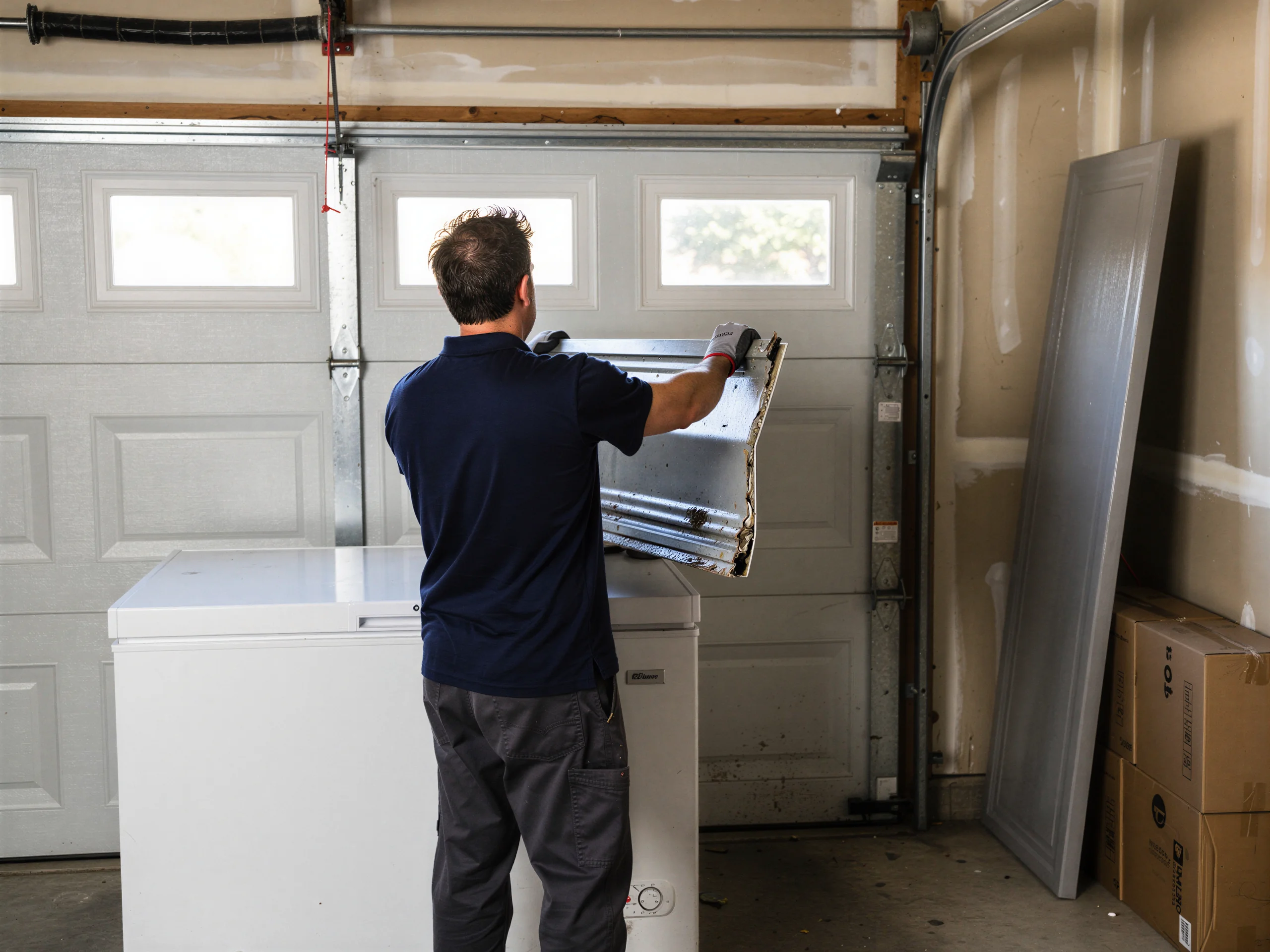
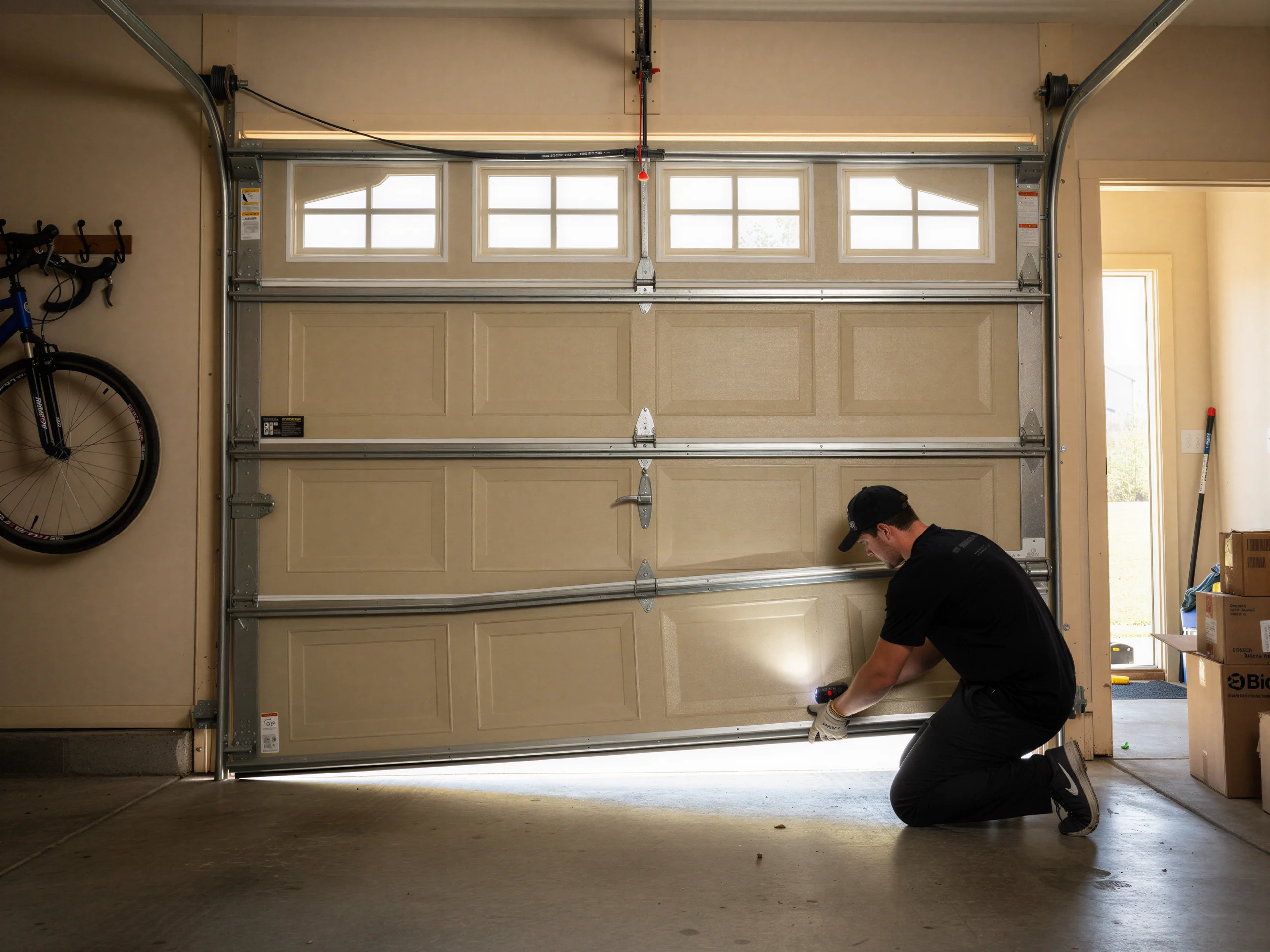
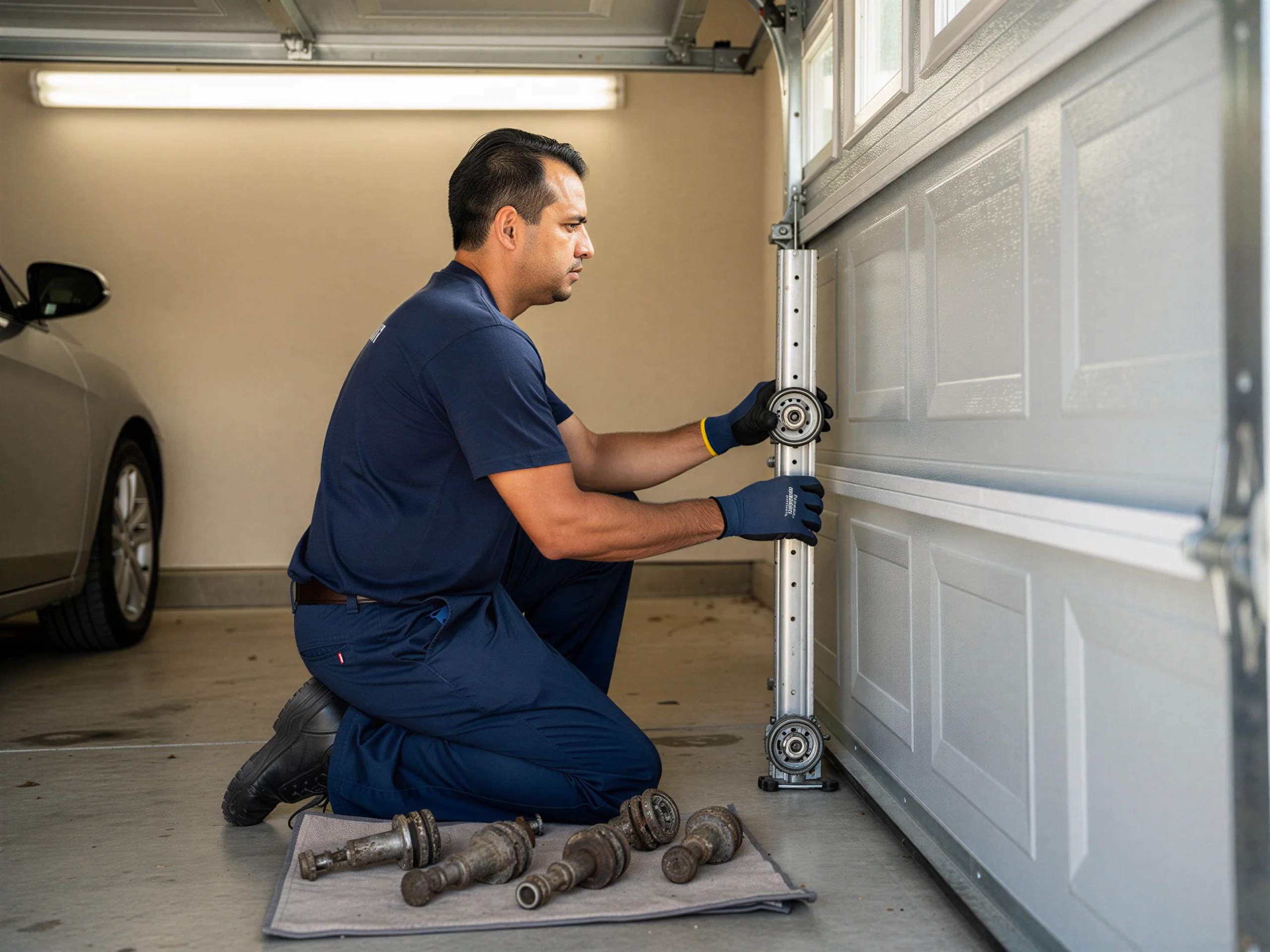
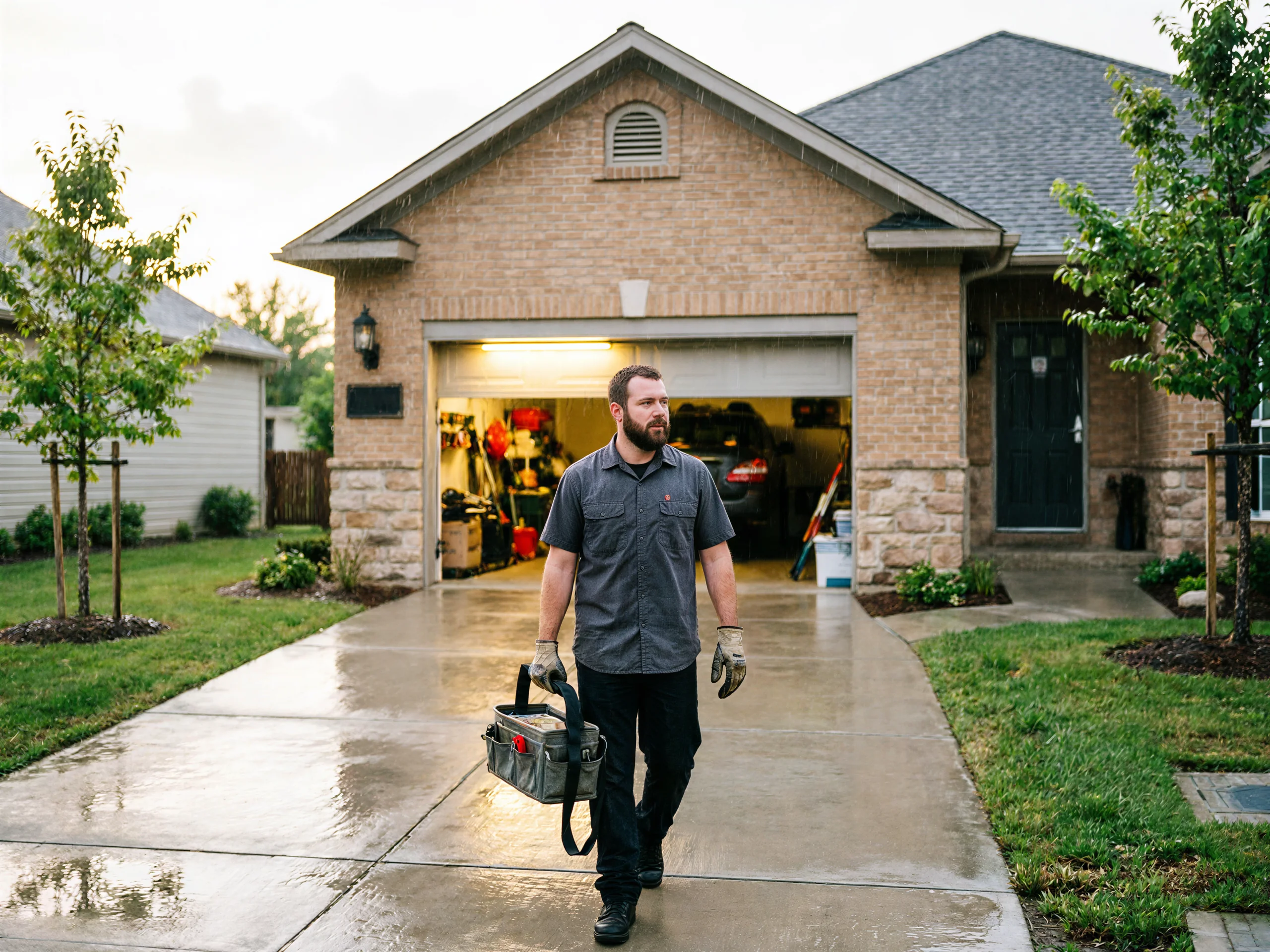
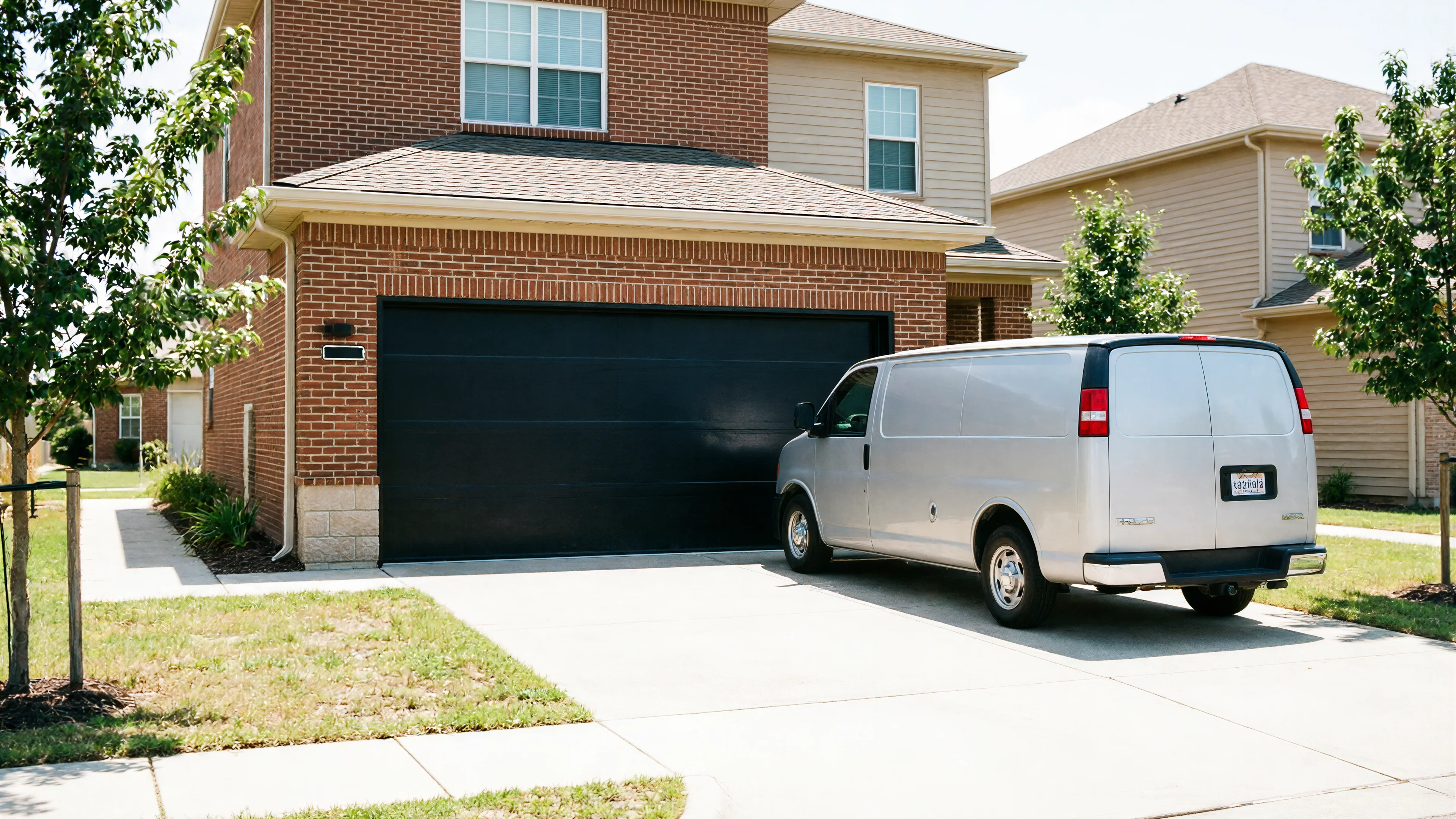
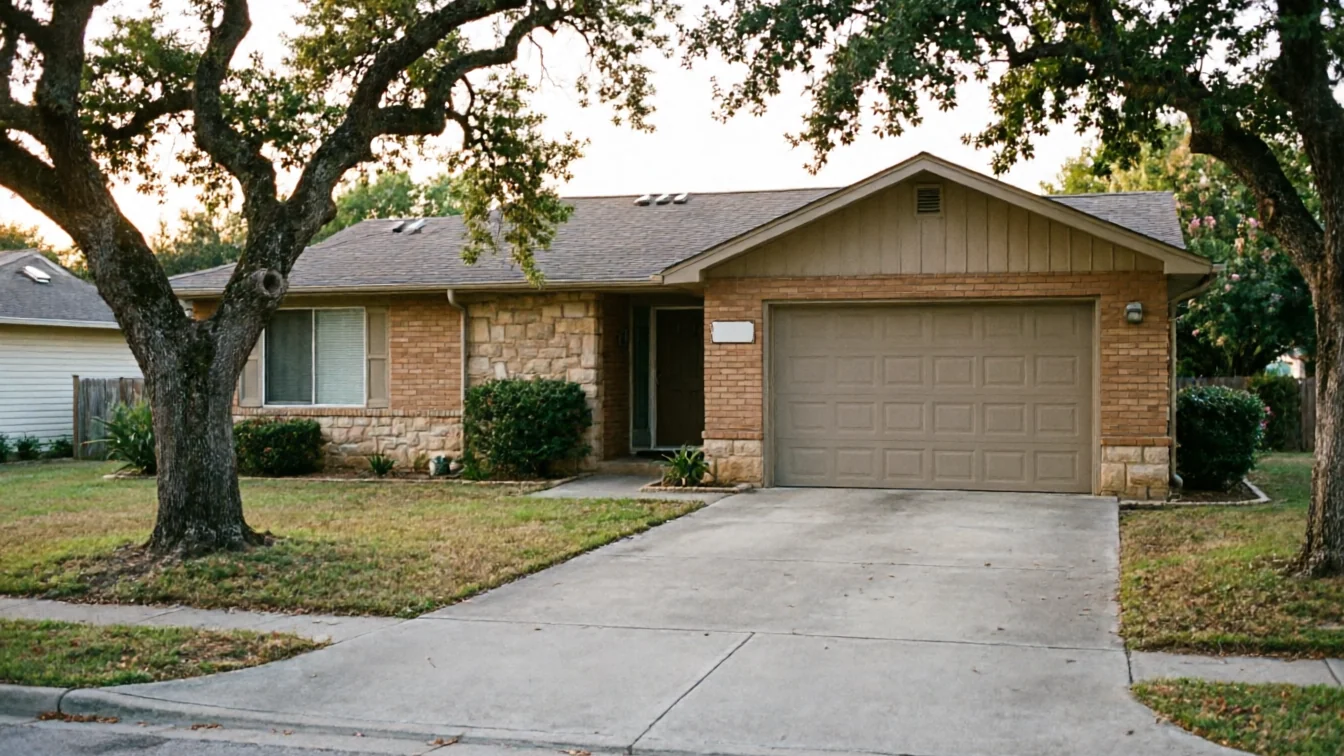
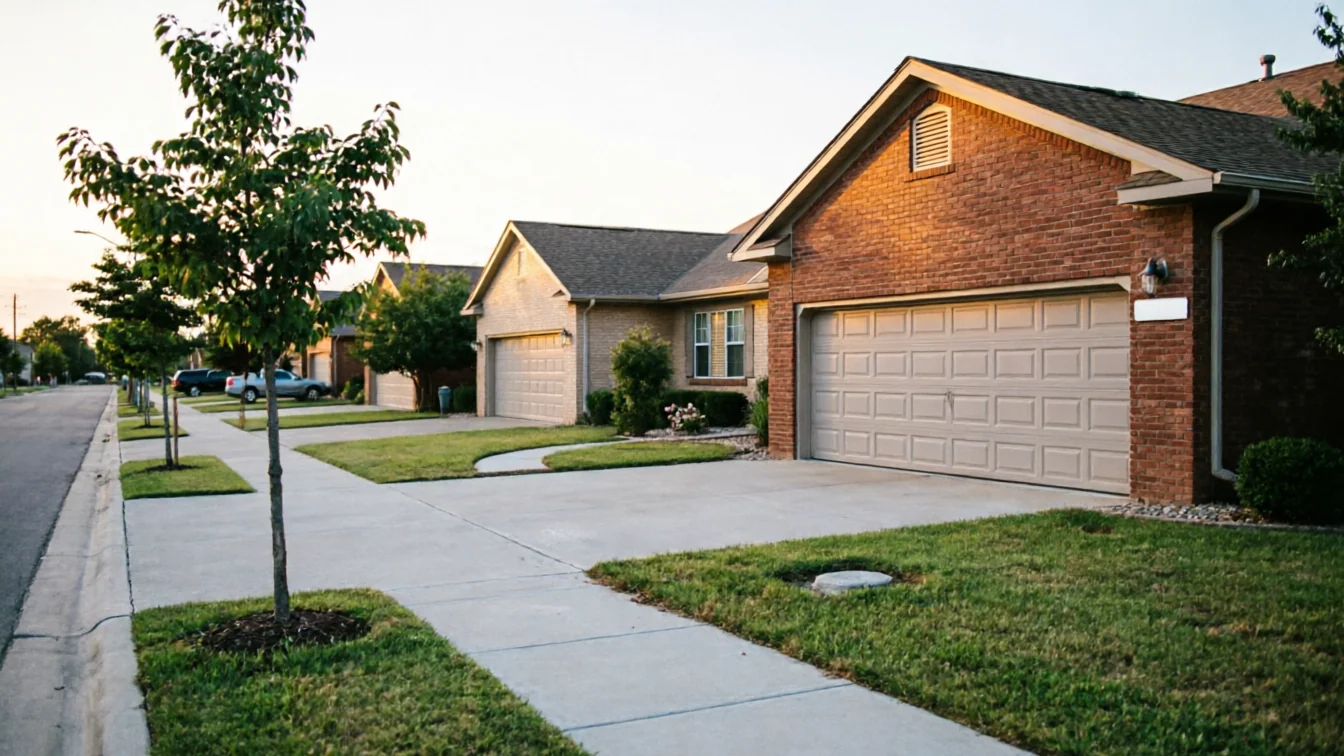
The 25 named communities in this service area mostly carry 1980s and 90s-era construction, which is the sweet spot for the torsion hardware most garage door techs train on - steel tracks, standard torsion springs mounted above the door, openers that are usually on their second or third chain-drive unit by now. That's the stock we see the most of, and parts for it are easy to source. The older end of the range, houses built back toward 1953, sometimes still have original one-piece doors or early sectional setups with hardware that's been discontinued for decades. Those jobs take longer, because we have to track down a compatible part or talk through a full replacement instead of a quick swap. On the newer end, houses built closer to 2014 usually have insulated steel doors and belt-drive openers with smart controls - different failure points entirely, mostly sensor alignment and circuit boards rather than springs and cables. One honest limit: if your door is from that oldest pocket of housing stock and the track or hinge pattern is obsolete, we may need to order hardware before we can finish the job in one visit.