Two things stack up against garage doors here: the age spread of the housing and the heat.
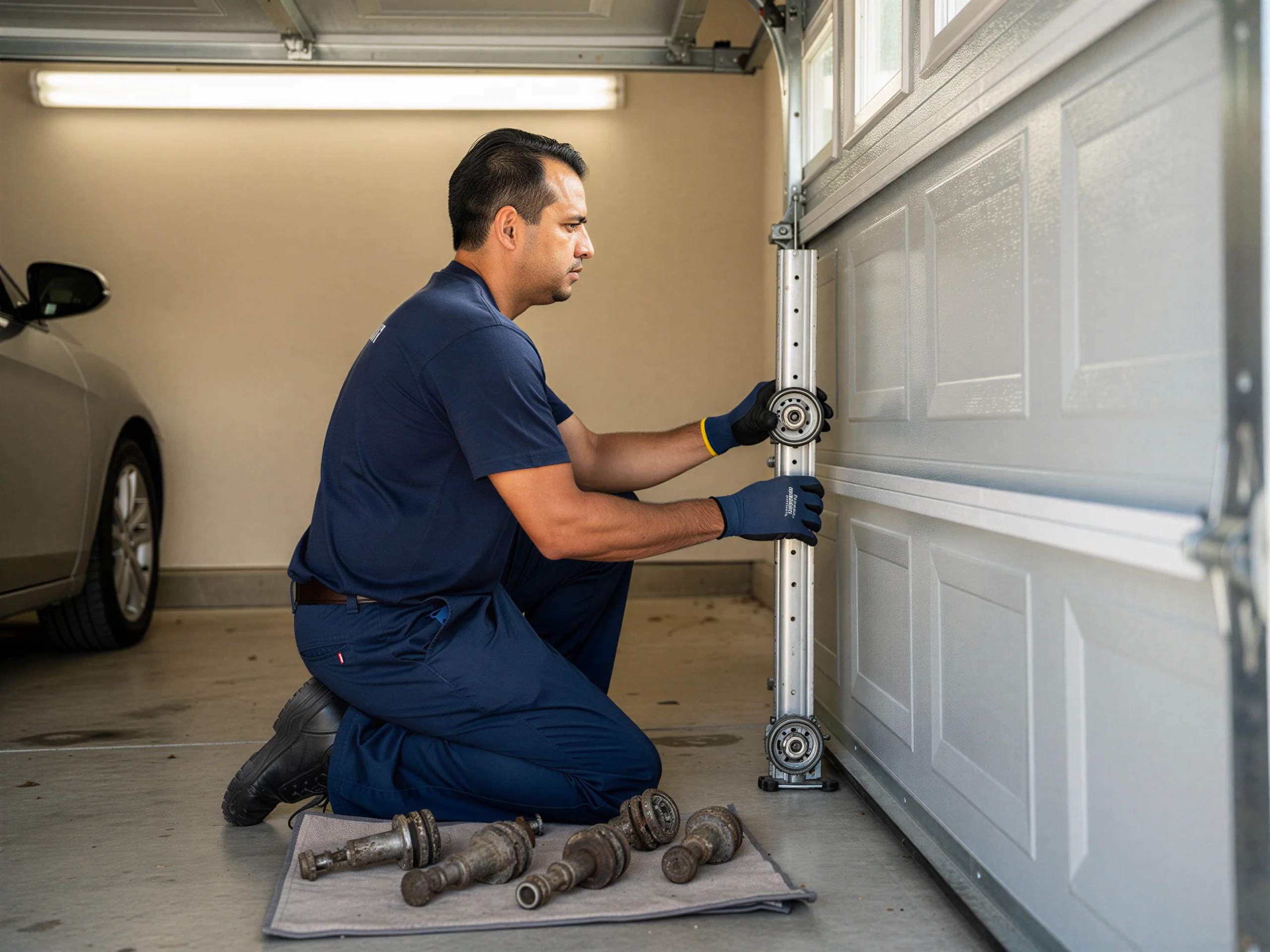
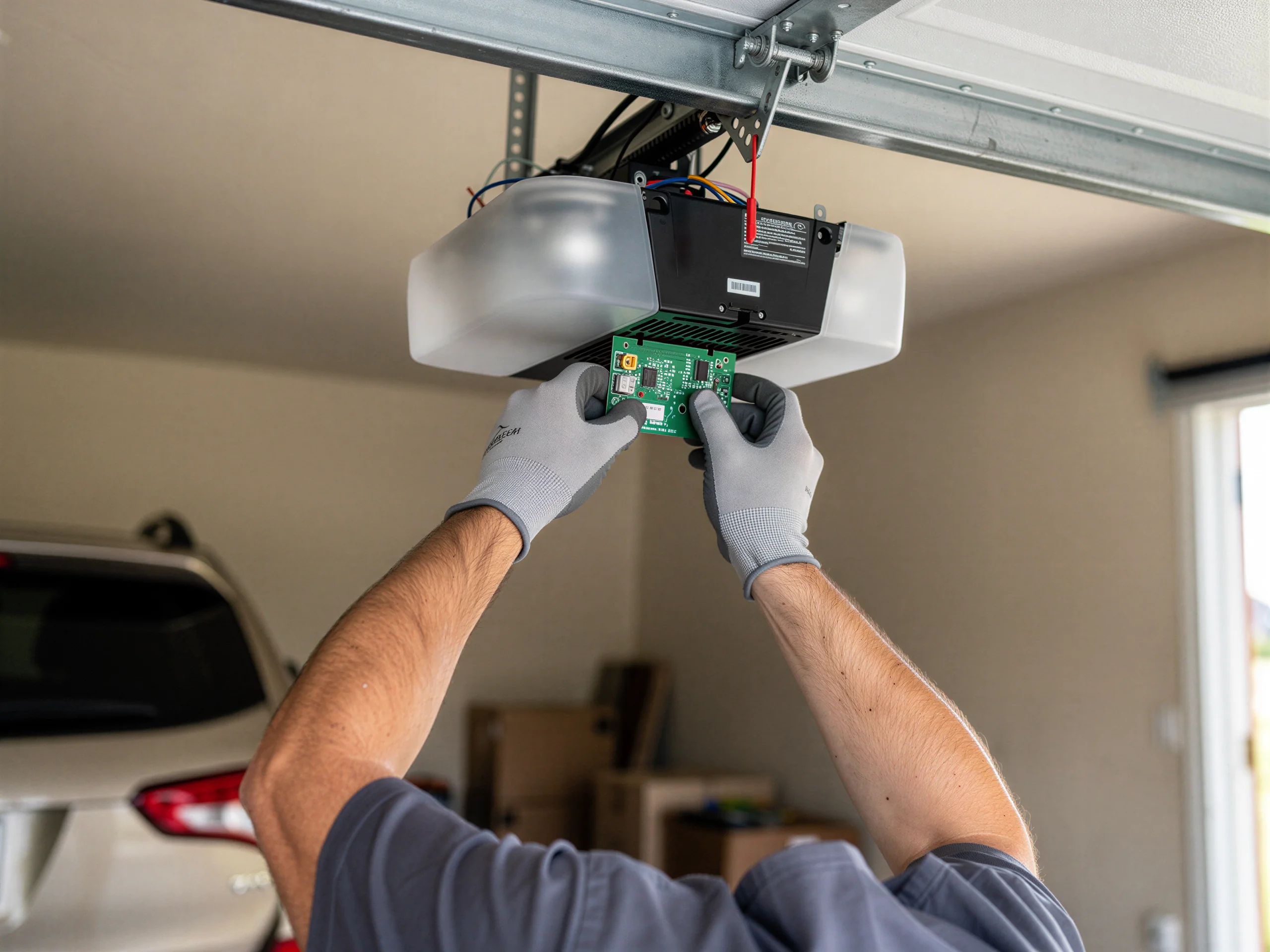
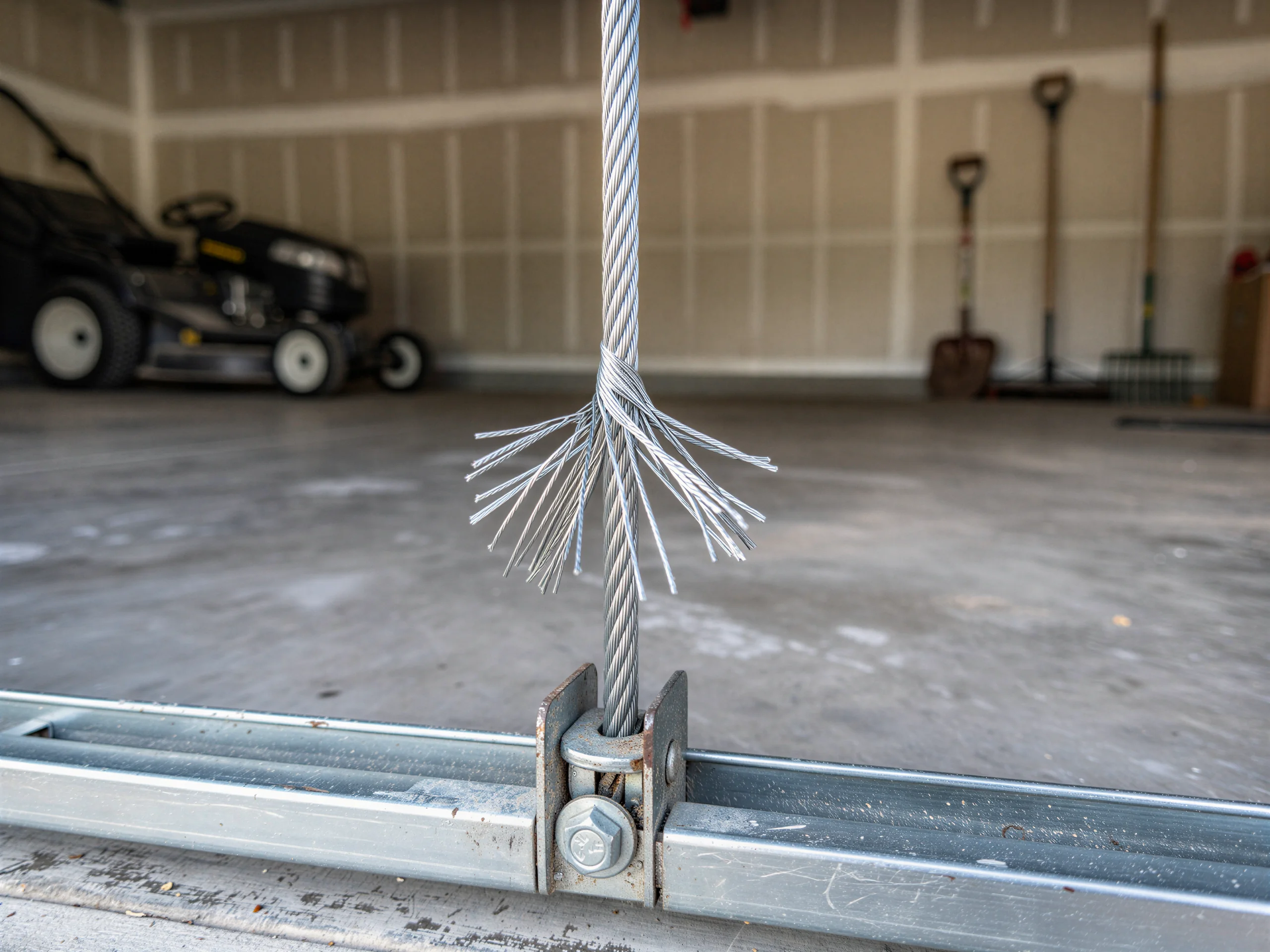
With median construction around 1995 and most of the service area's stock concentrated in the 1980s and 90s, a huge share of doors and openers are old enough that their original lubricant, weatherstripping, and factory-set spring tension have all degraded on a similar timeline - even if the houses themselves look nothing alike from the street. A door installed in 1988 and one installed in 2002 are both due for the same kind of wear by now, just for different reasons.
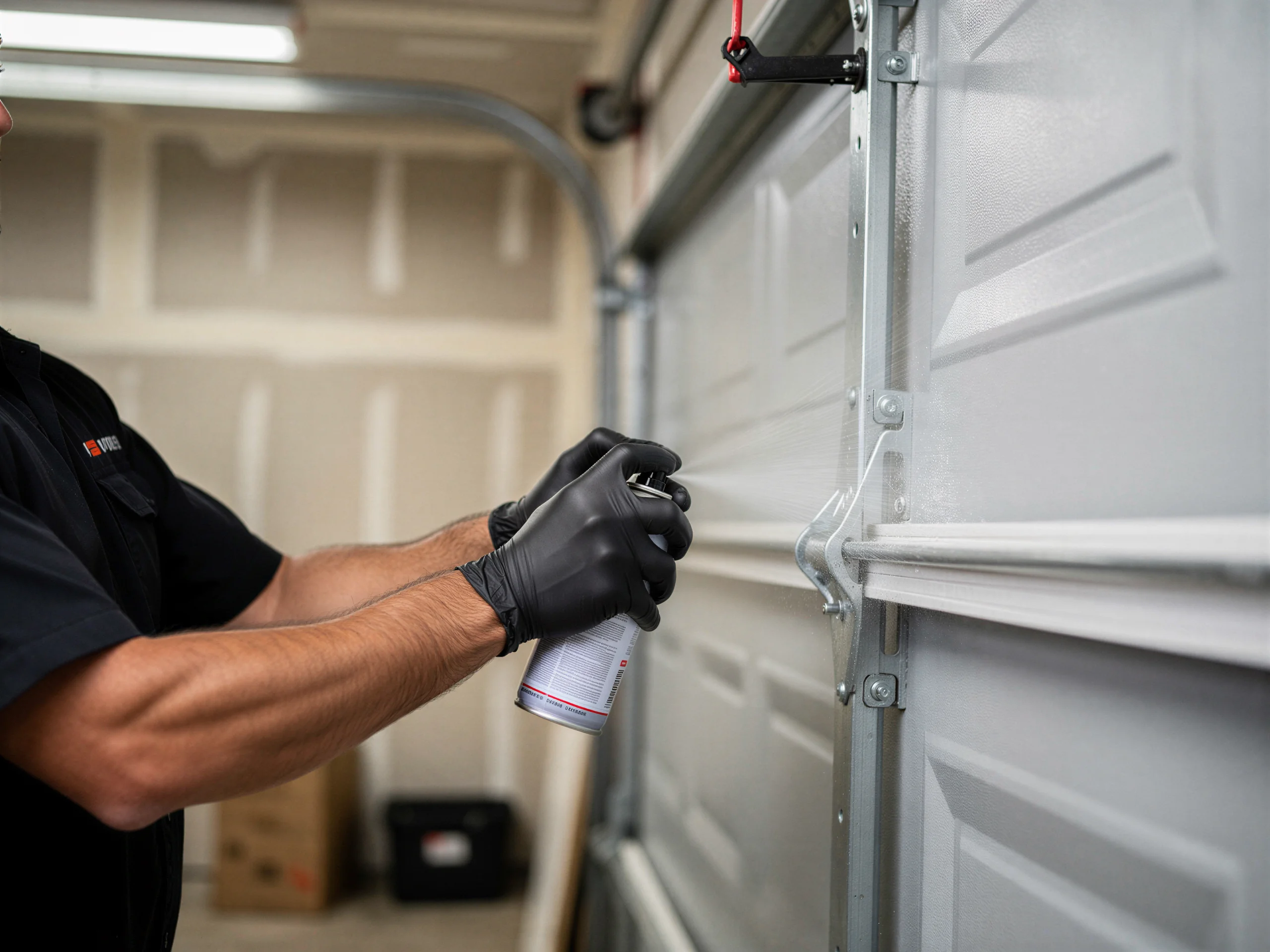
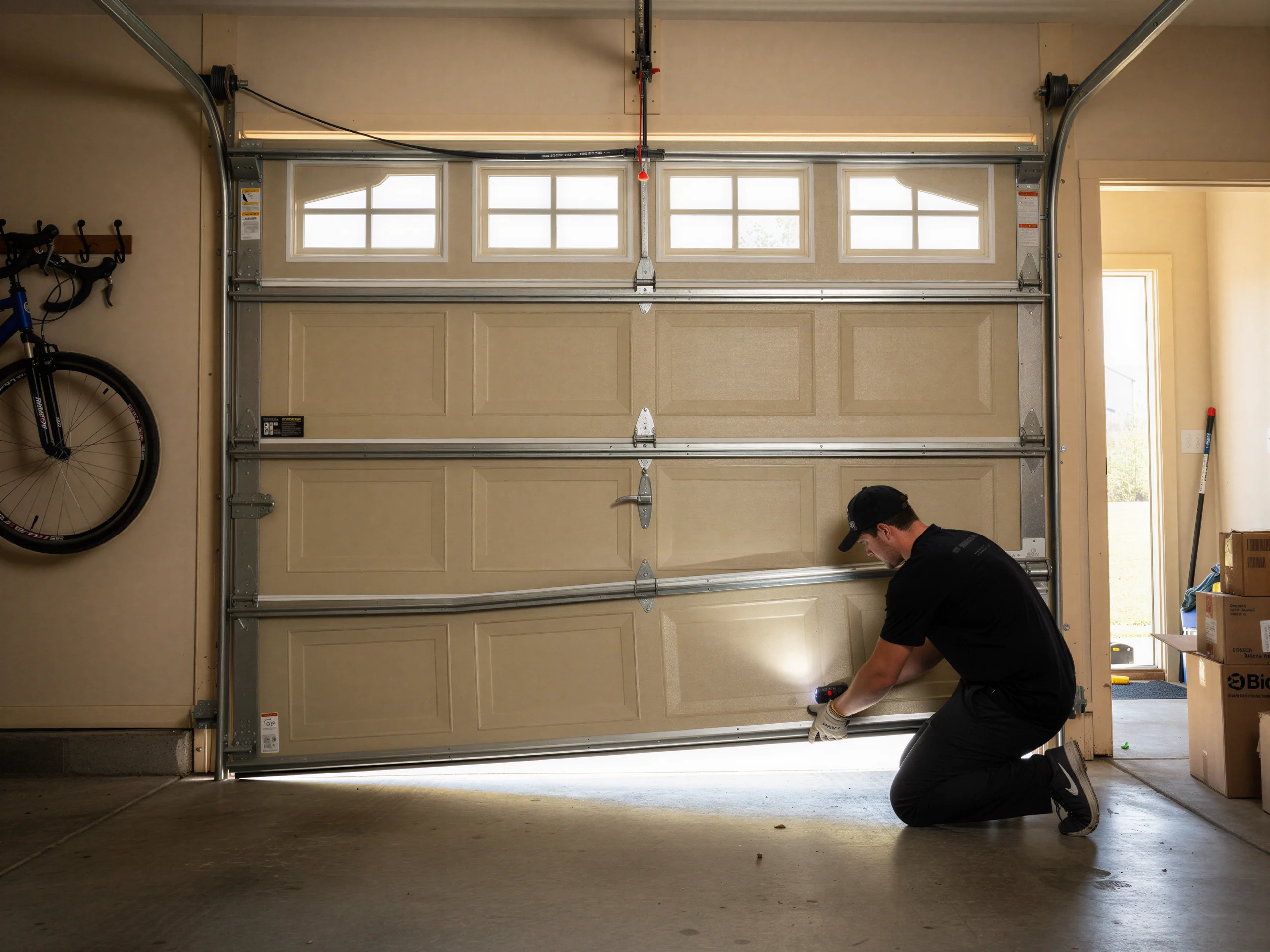
Then there's the heat. A garage that sits closed all day under a severe heat climate band turns into an oven, and that heat does two things: it dries out lubricant on rollers, hinges, and the opener's drive gear faster than a mild climate would, and it causes enough metal expansion in the track and panel seams that marginal alignment problems - the kind you'd never notice in a cooler month - show up as binding, grinding, or a door that won't fully seat.
That combination, older average equipment plus sustained heat load, is why maintenance intervals here need to be shorter than the once-a-decade habit a lot of owners fall into.