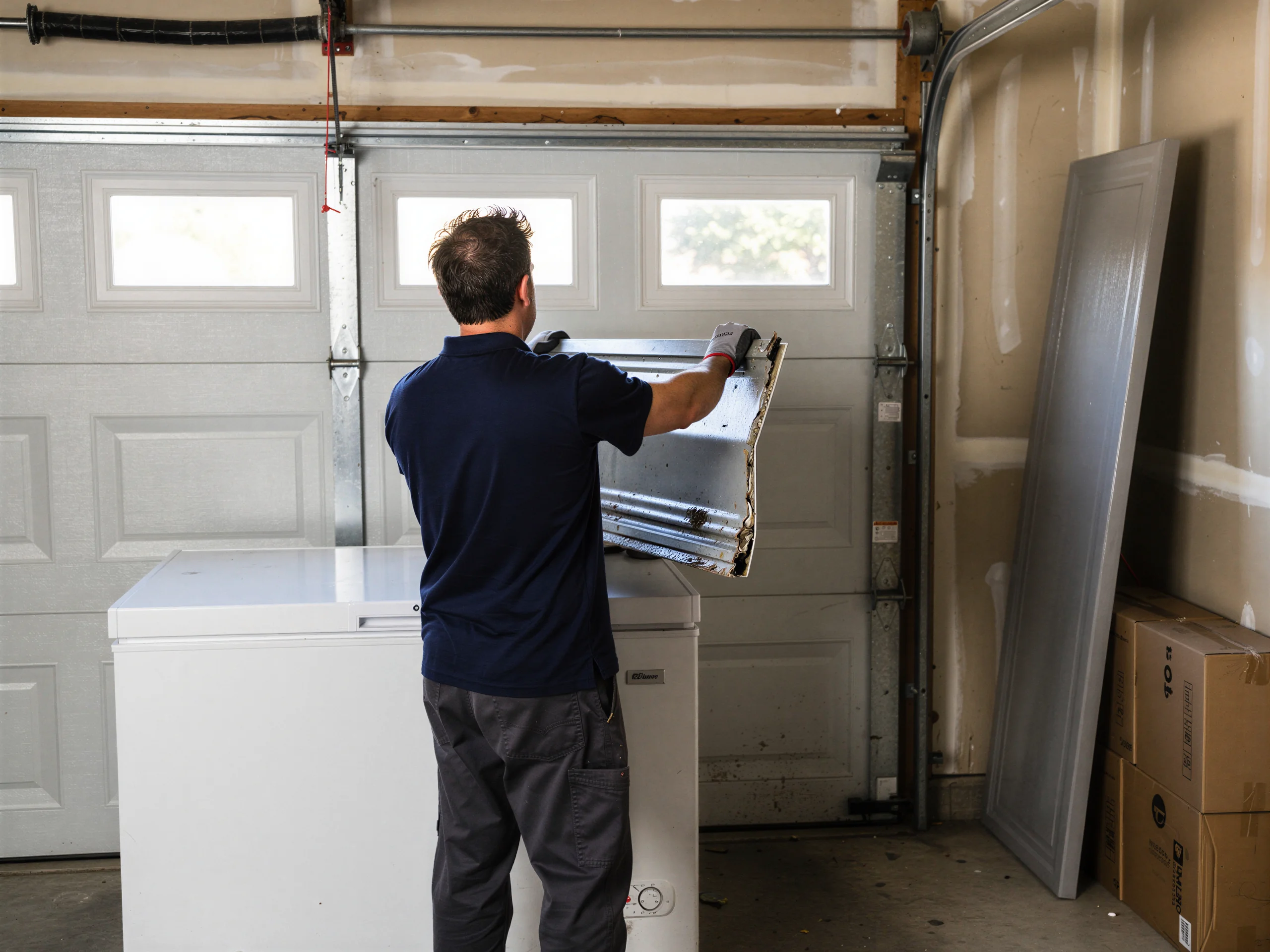
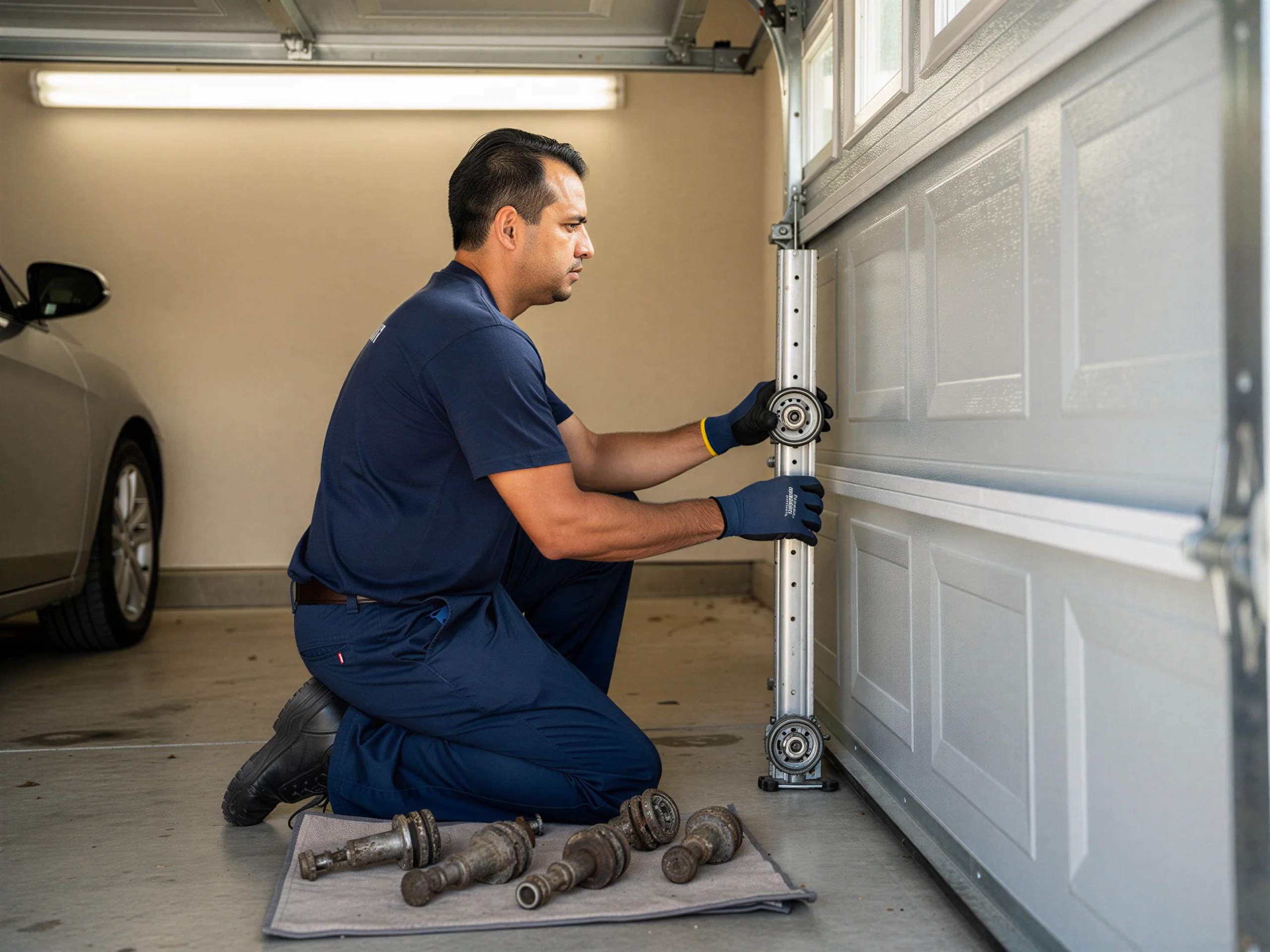
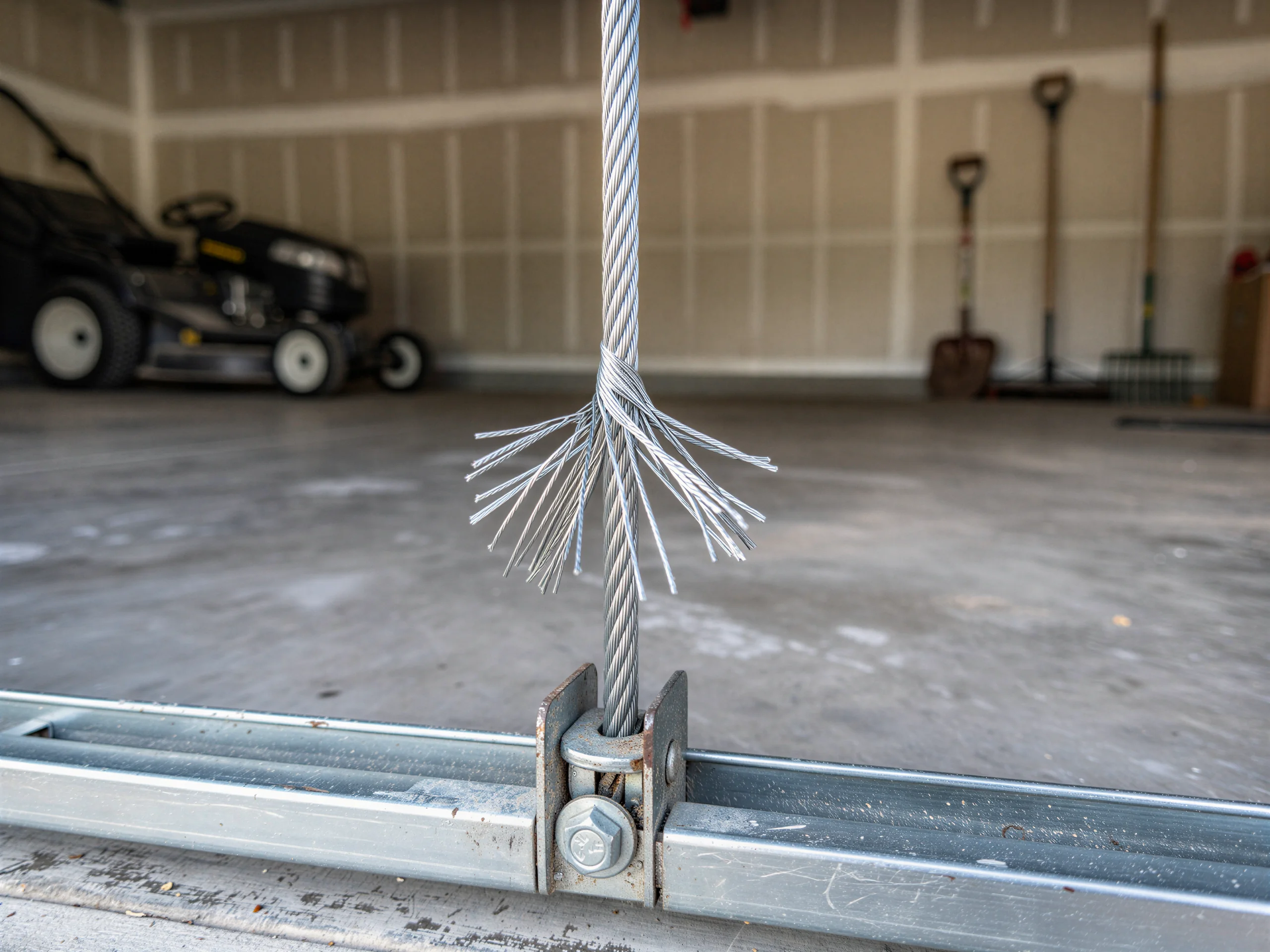
Housing in this service area runs from homes built in 1953 up through 2014, with the median landing around 1995 - and the bulk of the stock across the 25 communities we work in dates to the 1980s and 90s. That matters for panel replacement because it's the exact window when garage door manufacturers changed panel designs multiple times. A door installed in 1988 and a door installed in 1997 from the same brand can have incompatible panel profiles, even though both doors look similar from the driveway.
The climate side compounds it. This area sits in a severe heat band, and garage doors face more direct summer sun exposure than almost any other exterior surface on the house, especially on south and west-facing driveways. Steel panels with foam cores take the brunt of that: daily heat cycling loosens the skin-to-foam bond faster than in milder climates, and by the time a homeowner notices a bulge or a hollow sound when they knock on the panel, the bond has usually already failed across more than one section.
So you end up with two separate local pressures working on the same part: an installed base old enough that matching parts is hard to find, and a climate harsh enough to accelerate the specific failure mode - foam separation - that panel replacement is supposed to fix.