Blog
When the Power Goes Out, Your Opener Doesn't Know the Difference Between a Breaker Trip and a Grid Failure
Euless homes built 1953-2014 see opener strain when summer heat pushes the grid past its limit. Here's what to check before the next outage drops your door mid-cycle.
What to Check
Start with the obvious thing nobody checks: does your opener have a battery backup unit, or is it hardwired with nothing behind it? Euless housing spans 1953 to 2014, with most stock dating to the 1980s and 90s, which means a lot of openers in this area were installed or replaced before battery backup became a standard add-on. If yours is original to a house from that stretch, it's almost certainly chain-drive, and it has zero ride-through when the power drops.
Next, check the manual release cord - the red handle hanging from the trolley. Pull it (with the door down, never up and loaded) and confirm it disengages clean. On houses from the 1990s wave, we see these cords painted over, zip-tied out of the way, or just forgotten. If you can't find it or it won't pull free, that's the first thing to fix, independent of any outage.
Last, check your logic board for heat discoloration or a chemical smell near the vents. Opener control boards sit at the top of the garage, which is the hottest air in the structure on a 100-degree day. A board that's already stressed from heat is the one most likely to lose its mind when power cycles back on after an outage. Facts used: F1, F2.
How Local Conditions Play In
The severe-heat climate band this area sits in isn't just about comfort - it's about load. When demand spikes hardest, during the hottest stretch of the afternoon, that's exactly when rolling outages or brief grid drops are most likely, and it's also exactly when your garage, sitting at the top of a hot attic space, is cooking the opener's electronics the rest of the day. The two stresses land on the same component at the same time.
A chain-drive opener from the 1980s or 90s wasn't built with any expectation of frequent power cycling. Every outage and restart is a small jolt to a motor and board that have already been running hotter than spec for twenty-plus summers. That's not a defect - it's just what severe heat does to anything with a capacitor in it over decades.
We don't install or sell generators, and that's not our trade - if you're looking at whole-house backup power, that's an electrician's job, not ours. What we do deal with is the garage door end of that chain: battery backup units sized for the opener you actually have, and openers that are due for replacement regardless of the power situation.
The Situation
Here's the pattern we actually see: power drops, comes back, and the opener either does nothing, runs the motor without moving the door, or moves the door partway and stops. Homeowners assume the opener is dead. Often it isn't - it's the logic board's memory that got scrambled by the power cycle, and it needs a manual reset (usually holding the wall button or a specific button sequence on the head unit, which varies by brand and age).
In a service area where median income runs well above the statewide average, we also see a lot of newer belt-drive openers with built-in battery backup, installed in homes built in the later part of that 1953-2014 range or upgraded since. Those units handle an outage gracefully - the light blinks, the door keeps working off battery, and most owners never notice the grid dropped at all.
The gap is between those two groups: older chain-drive units with no backup, in houses that are now old enough that the opener is original or near-original equipment. If your opener predates battery backup as a standard feature, an outage isn't a minor inconvenience - it's a dead door until power returns or someone pulls the release cord.
Where People Go Wrong
The most common mistake is pulling the manual release while the door is still partway up and unsupported. Without the opener holding tension, a door that's heavier than people expect - especially a two-car door - can come down fast. Always get the door fully down first, or have someone support it, before you disengage.
The second mistake is replacing the opener and assuming that fixes the power problem. A new opener with battery backup solves the outage issue. It does nothing for a board that's degrading from years of attic-level heat if the garage itself has no insulation or ventilation - that's a separate problem, and one we can look at but can't solve with an opener swap alone.
The third mistake, and the one we see most in houses from the 1980s and 90s wave, is ignoring a flaky opener for months because it only acts up occasionally. Intermittent failure after a power event, heat stress on a board, and a motor on its way out all look the same from the driveway. We can't diagnose which one you have without opening the unit up, so guessing and hoping is the expensive path. Get in touch if yours has started doing any of this.
Questions
Common questions
Does my garage door opener need a battery backup if I live in Euless?
Not required, but worth having. The climate here runs severe-heat, and summer grid strain means outages cluster on the hottest days - the same days your opener's board is already running hot. A backup unit means the door still works during a short outage instead of being stuck until power returns.
My opener worked fine before the power went out, now it won't respond at all. What's wrong?
Most likely the control board's memory got scrambled by the power cycle, not a dead motor. Try a manual reset per your opener's manual before assuming it needs replacing. If reset doesn't fix it on a unit that's original to an older Euless house, the board itself may finally be giving out from years of heat exposure.
Is it safe to pull the manual release cord during an outage?
Only once the door is fully down. Pulling it while the door is partway open removes the opener's hold on the door, and an unsupported door can drop fast, especially a heavier two-car door. Lower it first, then disengage, then raise it by hand if you need access.
Recommendation
You Might Also Like
More garage door guides for Euless homeowners.
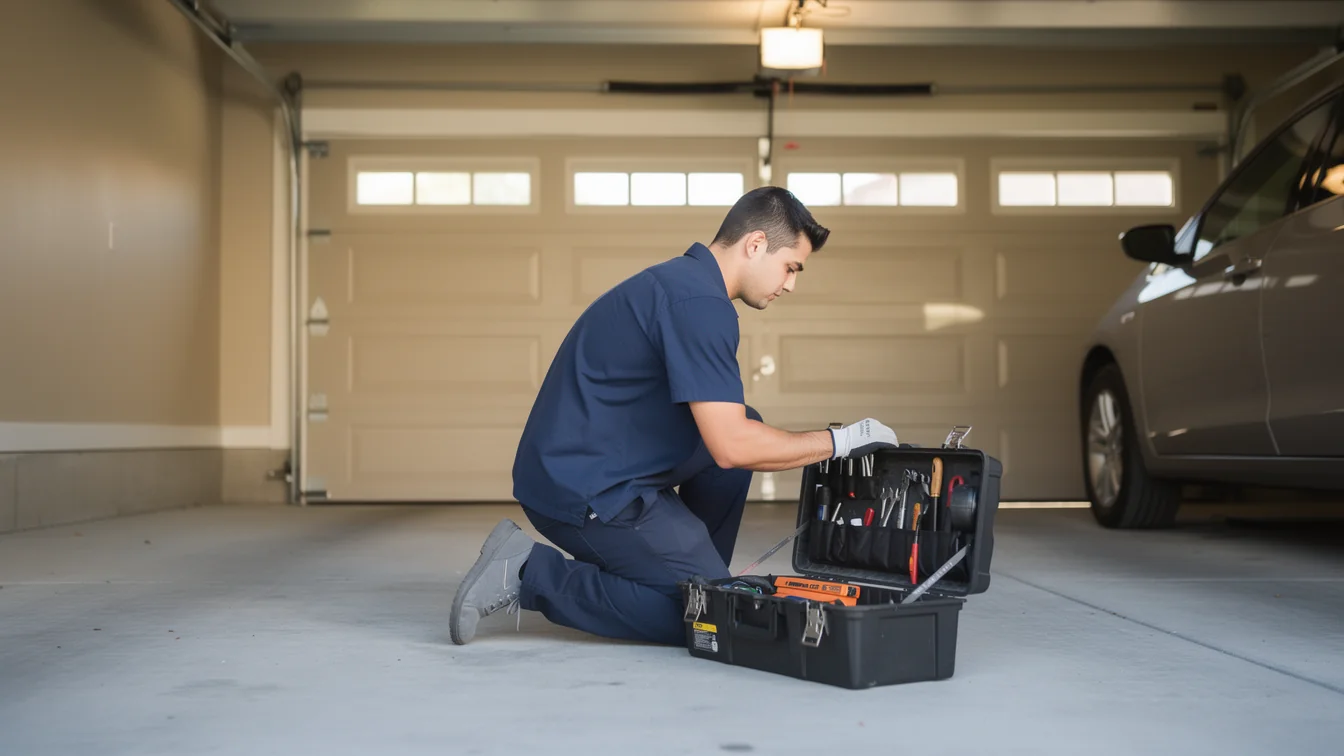
Cold Snaps and Garage Door Springs in Euless
Euless homes built between 1953 and 2014 see spring failures spike when a cold snap hits after months of severe heat.
Read guide
Why Your Garage Door Jumps the Track
Euless homes built between 1953 and 2014 face off-track doors from worn rollers and heat-warped tracks.
Read guide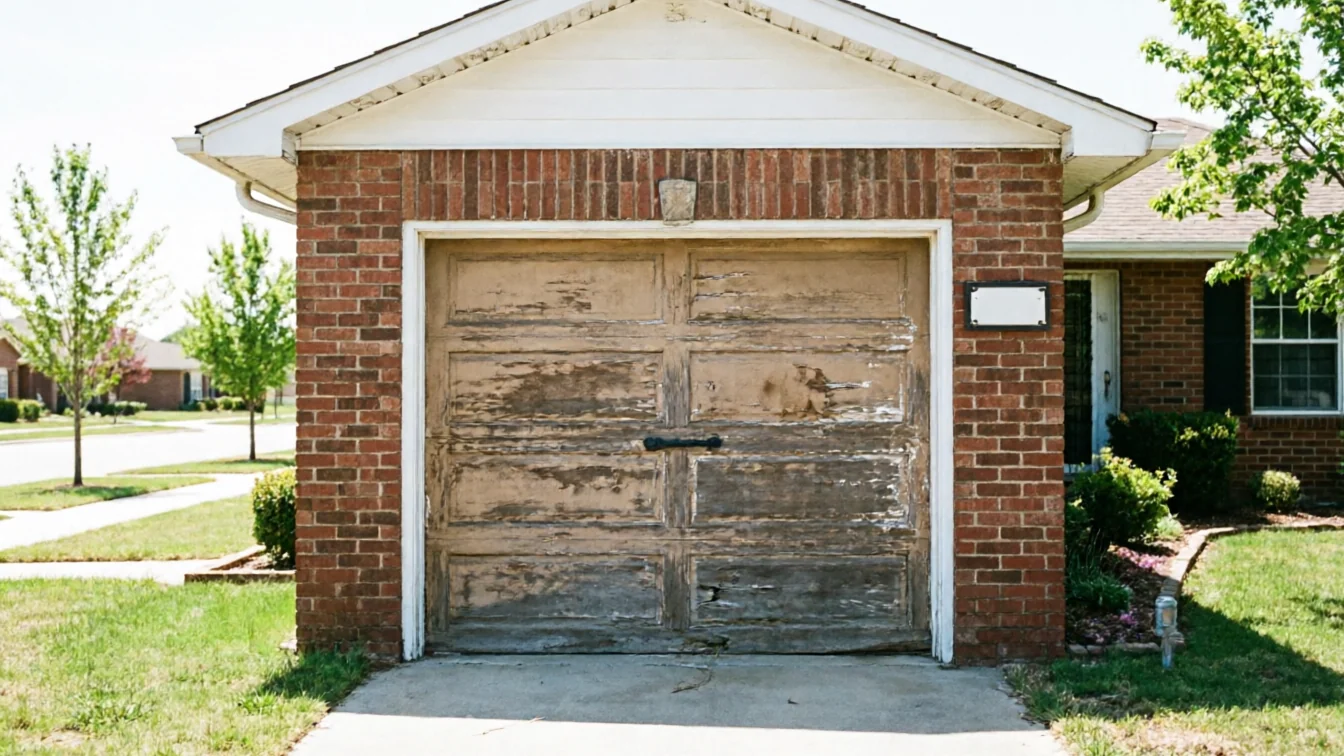
Why Pre-Insulation Doors Are Still Common in Euless
Euless homes built mostly between 1953 and 1995 often still carry uninsulated garage doors.
Read guideReady when you are
Need a garage door sorted in Euless?
Euless Garage Door Pros repairs and installs garage doors, springs and openers in Euless, TX and the surrounding area.